Class 6 Khel Yatra Unit 2 Motor Fitness – easy notes, concepts, activities, questions and answers, and worksheet. Learn about motor fitness, physical activities, exercises, balance, coordination, agility and fitness through simple explanations and fun activities.
Motor Fitness
Class 6 Khel Yatra – Easy Short Notes
What is Motor Fitness?
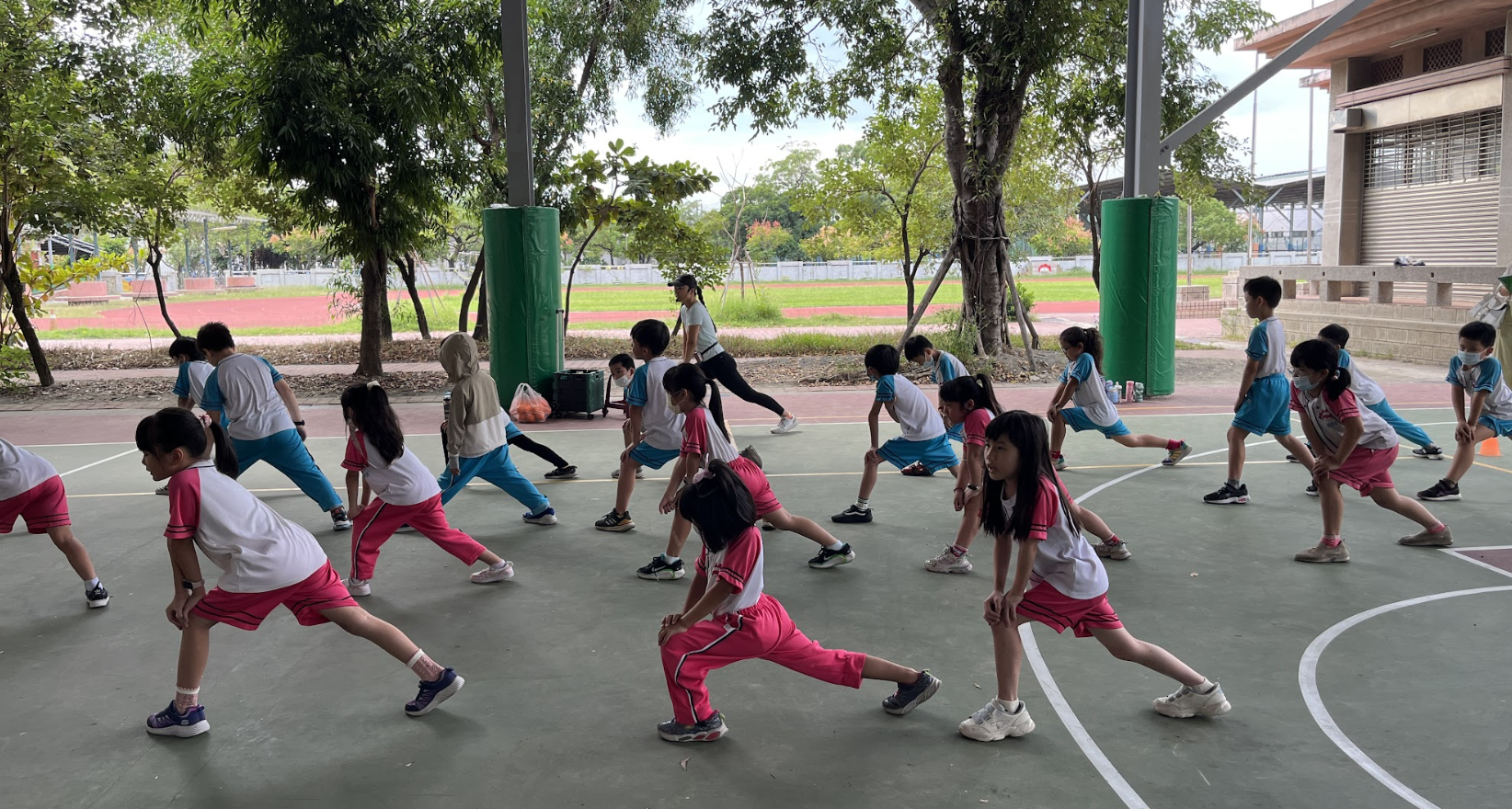
Motor fitness means the ability of our muscles and nerves to work together properly.
It helps us move our body easily and with control.
Motor fitness includes:- Coordination
- Balance
- Agility
- Quick reaction
- Strength
- Flexibility
- Endurance
Four Important Parts of Fitness
1. Endurance
Endurance helps us play and exercise for a longer time without getting tired quickly.
2. Strength
Regular exercise makes our muscles and bones stronger.
3. Flexibility
Stretching and regular movement help our body become flexible.
4. Balance
Balance helps us keep our body steady while moving or standing.
Warm-up
Warm-up prepares our body before exercise or sports.
- It increases body temperature.
- It increases heart rate slowly.
- It prepares muscles and joints.
- It helps reduce the risk of injury.
- It improves physical performance.
Warm up for about 5–10 minutes before a physical activity.
Stretching
Stretching prepares our muscles and joints for physical activity. It can also help the body recover after exercise.
- Keep your body relaxed.
- Take slow and deep breaths.
- Stretch gently.
- Do not force your body.
- Do not compete with others.
Some Stretching Exercises
Overhead Arm Stretch
Raise both arms above your head and stretch them upwards.
Rear Shoulder Stretch
Take both arms behind your back, join your fingers and gently stretch backwards.
Overhead Triceps Stretch
Raise one arm, bend it behind your neck and gently pull the elbow with the other hand. Repeat with the other arm.
Chest Stretch
Open your arms like a hug and gently stretch them backwards.
Hip Circles
Keep your hands on your waist and move your hips in large circles.
Torso Twist
Keep your lower body steady and gently turn your upper body from side to side.
Squat
Bend your knees slowly as if sitting on an invisible chair. Keep your back straight.
Quadriceps Stretch
Balance on one leg and gently bring the other foot towards your hip.
Floor Touch
Bend forward slowly and try to touch the floor without bending your knees.
Calf Stretch
Place your hands on a wall and stretch the back leg while keeping its heel on the floor.
Crossed-leg Toe Touch
Cross one leg in front of the other and gently reach towards its toes.
Crouch-leg Stretch
Balance on one foot and stretch the other leg straight in front.
Groin Stretch
Sit down, bring the soles of your feet together and gently stretch the inner thighs.
Hip Stretch
Sit with your legs straight. Bend one leg and cross it over the other leg.
Hamstring Stretch
Stretch the back of your legs gently while keeping your movements controlled.
Abdomen Stretch
Lie on your stomach and gently raise your upper body using your arms.
Cool-down
Cool-down helps our body return slowly to its normal resting condition after exercise.
- It lowers the heart rate gradually.
- It helps the body relax.
- It relaxes the muscles.
- Deep breathing helps us feel calm.
Cool down gently for about 5–10 minutes after physical activity.
MF-1: Obstacle Race

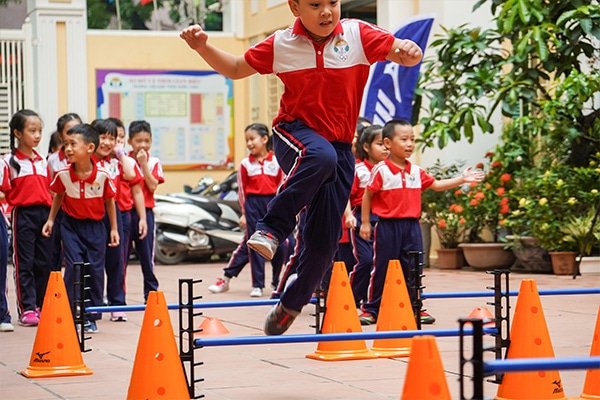
An obstacle race is a race with different obstacles. It tests strength, agility and endurance.
How to Play
- Make two teams.
- Arrange cones and hula hoops in a line.
- Run around the cones in a zig-zag manner.
- Hop through the hula hoops.
- Run back to the starting line.
- Clap the next teammate’s hand.
- The team that finishes first wins.
Identifying a Physical Injury
We should notice signs of injury during physical activity.
- Pain or strong discomfort
- Bruises
- Rashes
- Bleeding
- Difficulty in movement
- Unusual facial expressions because of pain
Tell your teacher immediately if you feel pain or notice an injury.
MF-2: Balancing Act

Balancing Act means keeping the body steady and controlled.
It needs coordination and concentration.
How to Play
- Place a small soft object on your head.
- Stand straight.
- Walk slowly from the start to the finish line.
- Try not to drop the object.
MF-3: Shivam Says
Shivam Says is a game that develops listening skills and quick reactions.
How to Play
- Stand in a circle with enough space between players.
- Listen carefully to the teacher.
- Follow commands that begin with “Shivam says”.
- Hold the position until the next command.
- Pay attention and react quickly.
Safety Rules
- Always warm up before exercise.
- Stretch gently.
- Do not force your body.
- Follow your teacher’s instructions.
- Use sports equipment carefully.
- Keep enough space between players.
- Stop if you feel strong pain.
- Tell your teacher about any injury.
- Cool down after exercise.
Quick Revision
Motor Fitness: The ability of muscles and nerves to work together.
Endurance: Helps us play longer without getting tired quickly.
Strength: Makes muscles and bones stronger.
Flexibility: Helps the body move and stretch easily.
Balance: Helps us keep the body steady.
Warm-up: Prepares the body for activity.
Stretching: Helps prepare and relax muscles.
Cool-down: Helps the body return to rest.
Obstacle Race: Develops strength, agility and endurance.
Balancing Act: Develops balance and concentration.
Shivam Says: Develops listening and quick reactions.
Remember
Stay active, exercise safely, stretch gently, listen to your teacher and take care of your body.
Looking for a practice worksheet?Try this easy and useful worksheet for unit 2 o practise what you have learned. It includes important questions and activities to help you check your understanding, strengthen your concepts and prepare better for exams
Class 6 Khel Yatra Unit 2, Motor Fitness, Class 6 Khel Yatra, Khel Yatra Unit 2, Class 6 Physical Education, Motor Fitness Class 6, Class 6 Khel Yatra notes, Class 6 Khel Yatra solutions, Khel Yatra worksheet, motor fitness activities, physical fitness, balance, coordination, agility.1