Class 6 Khel Yatra Unit 5 Chapter 1 Yoga for Daily Life – easy notes, concepts, activities, questions and answers, and worksheet. Learn how yoga can support a healthy and balanced daily life through simple explanations and practices.
Yoga
Yoga is an ancient practice that began in India. It helps us take care of both the body and the mind. Yoga teaches us discipline, concentration, calmness, healthy habits and self-awareness.
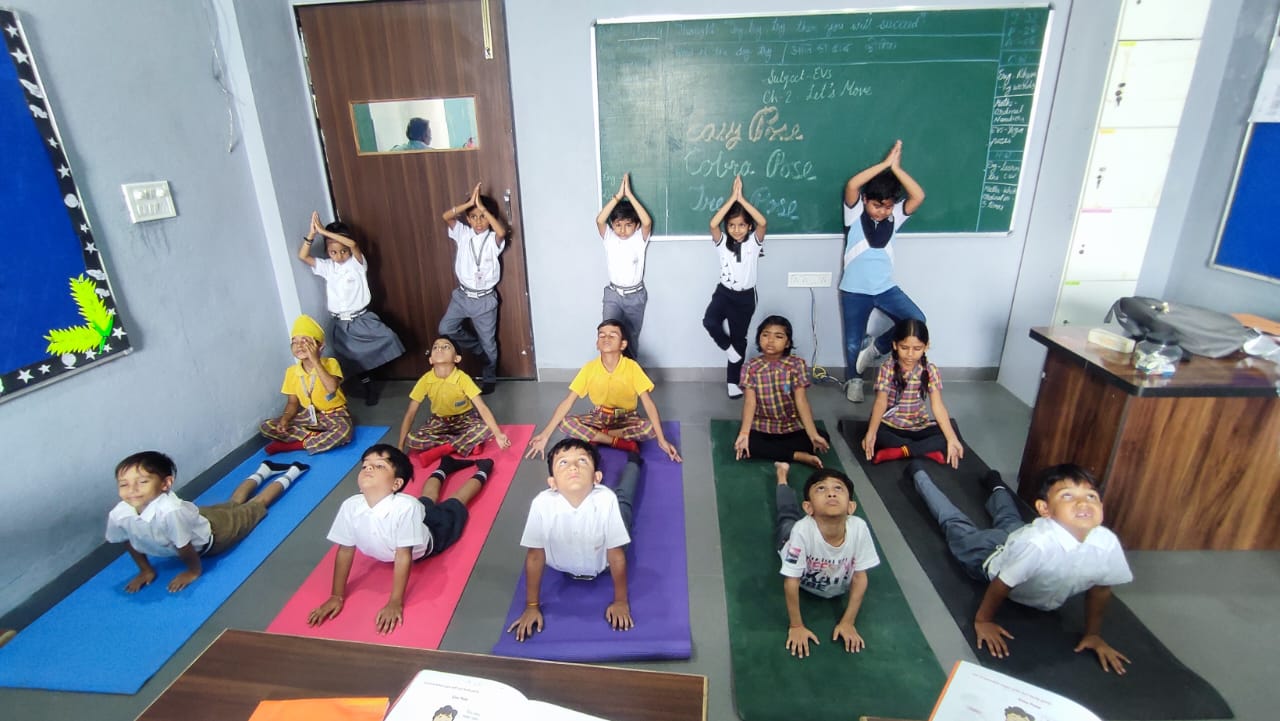
Page 110 – Introduction to Yoga
Yoga for Holistic Well-being
- Yoga is a journey of self-discovery.
- It helps keep the body strong and the mind calm.
- Yoga has been practised in India for thousands of years.
- Today, people around the world practise Yoga.
- Yoga is much more than physical exercise.
- It includes practices for the body, breath, senses, concentration and meditation.
Main Practices in this Unit
- Yama – social discipline
- Niyama – personal discipline
- Sūkshma Vyāyāma – joint movements
- Śithalīkaraṇa Vyāyāma – loosening exercises
- Prānāyāma – breathing practices
- Āsanas – postures
- Pratyāhāra – mastery over senses
- Relaxation
- Dhārana – concentration
- Dhyāna – meditation
- Krīḍā Yoga – Yoga games
Pages 111–112 – Yoga Session Structure
Opening Prayer
Om Saha Nāvavatu | Saha Nau Bhunaktu | Saha Viryam Karavāva hai | Tejasvi-Nāvadhitamastu | Mā Vidvisāva hai | Om Śāntih Śāntih Śāntih
Meaning
May the teacher and student be protected and nourished. May they practise with energy. May their studies be useful and enlightening. May they not hate each other.
General Instructions
- Sit comfortably in Sukhāsana.
- Keep the back straight.
- Close the eyes and relax the face.
- Place the hands in Chin Mudra.
- Observe your breathing.
- Take a deep breath and chant “Om” while exhaling.
- Place the hands in Namaskāra Mudra and chant the prayer.
- Notice how you feel after chanting.
- Rub the palms gently and place them over the eyes.
Closing Prayer
Om Sarve Bhavantu Sukhinah | Sarve Santu Nirāmayāh | Sarve Bhadrāni Paśyantu | Mā Kaśhcidduhkhabhagbhāvet | Om Śāntih Śāntih Śāntih
Meaning
May everyone be happy. May everyone be free from illness. May everyone see what is good. May nobody suffer. May there be peace everywhere.
Chapter 1 – Yoga for Daily Life
Pages 113–114 – History of Yoga
History in Simple Words
- The roots of Yoga can be traced to the Vedas.
- The Bhagavad Gita describes different forms of Yoga.
- These include Karma Yoga, Bhakti Yoga, Jnana Yoga and Raja Yoga.
- Mahārṣi Patanjali compiled the practices of Yoga in the Yoga Sutras.
- The Yoga Sutras describe the eight aspects of Ashtāṅga Yoga.
- Hatha Yoga developed as a practical form of Yoga.
- Yoga later spread to many parts of the world.
- International Day of Yoga is celebrated on 21 June.
What is Yoga?
Yoga can be understood as a science of healthy and happy living. The Sanskrit word “yuj” means to unite or integrate.
Yoga helps bring balance between the body, mind and inner self. It also teaches us to work with discipline instead of acting randomly.
Pages 114–116 – Ashtāṅga Yoga
The Eight Aspects
Easy Way to Remember
Ashtāṅga Yoga teaches us how to behave well, take care of ourselves, keep the body healthy, control the breath and senses, concentrate, meditate and move towards deep peace.

Page 116 – Yama
Five Yamas
| Yama | Easy Meaning |
|---|---|
| Ahimsa | Being kind and not hurting living beings. |
| Satya | Speaking the truth and being honest. |
| Asteya | Not taking things that do not belong to us. |
| Brahmacharya | Using energy wisely and having self-control. |
| Aparigraha | Not being greedy and being happy with what we have. |
In-text Activity – Page 116
1. Treat your pet dog gently, play with him and never hit or scare him.
2. If you break something at home and your mother enquires about it, you tell the truth and not hide it.
3. You feel a strong urge to play video games, but you also know that you have to finish your science project. You control the urge to play a video game and complete the project.
4. During a group discussion in the class, you are tempted to share an idea of your friend as your idea, but then you decide not to steal it.
5. You like a dress at a shop and the elders with you ask if you want to buy it. Thinking of all the clothes you have at home, you decide not to get one more dress because you do not need it now.
Pages 117–118 – Aparigraha
Aparigraha
Aparigraha means not always wanting more and more. It teaches us to be grateful for what we already have.
It encourages simple living and sharing with others.
Story: Simple Living and Great Thinking
The chapter tells a story about Lal Bahadur Shastri. When he wanted to buy a saree for his wife, he chose one that he could afford instead of accepting an expensive gift.
The story teaches us to be content, avoid greed and live according to our needs.
In-text Activity – Page 118
Identify a person in your family or neighborhood who is leading a simple life.
Ask them why they chose to live a simple lifestyle and what experiences they have had as a result of their decision.
Tell your class about your discussion with the person and listen to their experiences as well.
In-text Activity – Page 118
Ask students to bring a fairly new small item, which they like but don’t use often (a book, a toy, etc).
Sit in a circle and let each student talk about the item they have brought.
Encourage them to give away the item to one of their friends or to the needy.
Children will experience the joy of giving and practice of letting go of possessions.
Pages 119–120 – Niyama
Five Niyamas
| Niyama | Easy Meaning |
|---|---|
| Śauca | Keeping the body, mind and surroundings clean. |
| Santosha | Being happy and content with what we have. |
| Tapas | Self-discipline, determination and regular effort. |
| Svādhyāya | Self-study and improving knowledge. |
| Īśvara Pranidhāna | Trusting in something bigger than yourself. |
In-text Activity – Page 120
1. Set a personal goal for a week, such as completing a project, exercising every day, or helping at home. Track your progress with each goal.
2. Read good books every day or writing a reflective diary.
3. Clean up and decorate the classroom.
4. Show gratitude.
5. Do your best and trust that things will work out as they should.
Pages 120–122 – Tapas
What is Tapas?
Tapas means self-discipline, determination and perseverance.
It means doing something regularly even when it is difficult. Small and regular efforts can help us reach big goals.
Examples of Tapas
- Studying regularly.
- Exercising regularly.
- Eating nutritious food.
- Keeping things clean.
- Practising Yoga every day.
- Speaking the truth.
Malli Mastan Babu’s Determination
Malli Mastan Babu was interested in mountaineering and worked hard to develop his skills. He trained regularly and used Yoga to support physical strength, flexibility and mental focus.
His story teaches us about determination, planning, discipline, courage and consistent effort.
In-text Activity – Page 122
• Narrate a story of your role model in the class.
• Discuss the common themes in all the stories told.
• Think and discuss why it is important to have goal in life.
• Write about a time when they worked hard to achieve something. What did they learn from the experience and how did they feel after achieving the goal?
In-text Activity – Page 122
1. Setting Goals: Each student writes down one goal they want to achieve, such as reading for 20 minutes every day, practising a sport, or helping with chores.
2. Plan: Write down the steps to achieve this goal.
3. Tracking Progress: Make a simple chart to track daily progress.
4. Reflection: At the end of the week, discuss what you have learned about self-discipline and how it felt to work towards achieving the goal.
Pages 122–123 – Pratyāhāra
What is Pratyāhāra?
Pratyāhāra is the fifth aspect of Ashtāṅga Yoga. It means learning to control the senses and focus the mind.
It helps us avoid distractions and turn our attention towards the activity we are doing.
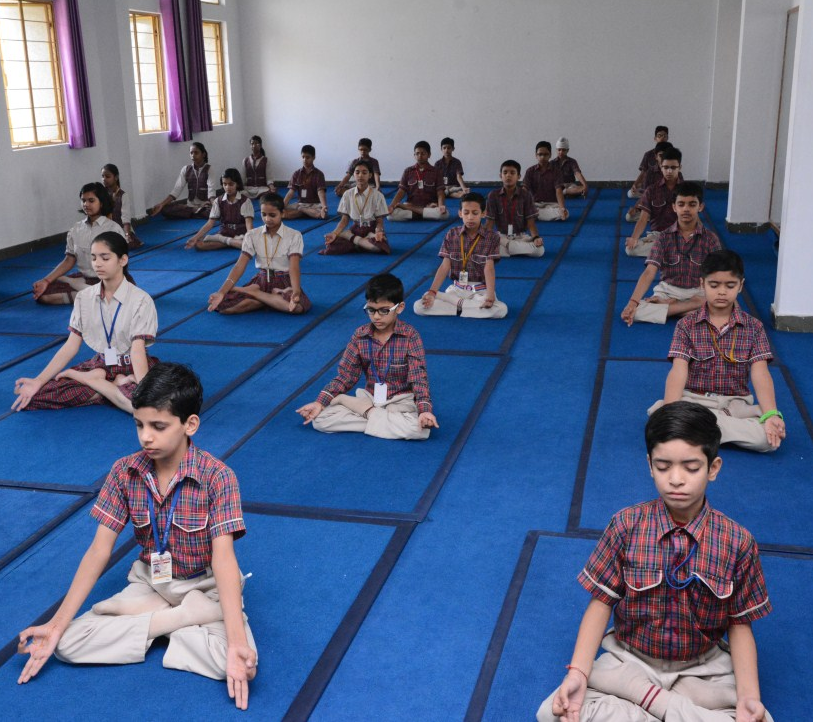
Five Simple Pratyāhāra Activities
- Quiet time: Sit quietly, close your eyes and focus on breathing.
- Mindful eating: Put away gadgets and focus on the taste, texture and smell of food.
- Tune with nature: Observe sights, sounds and smells during a quiet walk.
- Listening to music: Sit quietly and listen carefully to soothing music.
- Before going to bed: Sit quietly, focus on breathing and avoid electronic devices before bedtime.
Page 123 – Healthy Food Habits
Healthy Food and the Senses
Food is important for our health and development. The chapter explains that we should eat healthy food according to the season and in moderate quantity.
| Term | Easy Meaning |
|---|---|
| Hitabhuk | Eat healthy and nourishing food. |
| Mitabhuk | Eat in moderate quantity. |
| Ritabhuk | Eat according to the season. |
In-text Activity – Page 123
1. Eat at least one homemade meal a day with your family.
2. While eating, ensure that you taste every little bite and every morsel.
3. Do not use electronic gadgets like your mobile phone and TV while eating.
4. Volunteer to serve food and water to your family members.
Quick Revision
Remember These Points
- Yoga means union or integration.
- Yoga supports a healthy and balanced life.
- Ashtāṅga Yoga has eight aspects.
- Yama teaches social discipline.
- Niyama teaches personal discipline.
- Ahimsa means kindness and non-harming.
- Satya means truthfulness.
- Asteya means not taking what belongs to others.
- Brahmacharya teaches wise use of energy and self-control.
- Aparigraha teaches contentment and freedom from greed.
- Tapas means self-discipline and regular effort.
- Pratyāhāra means control and withdrawal of the senses from distractions.
- Healthy eating includes nourishing food, moderate quantity and seasonal food.
Easy Questions for Revision
1. What does the word Yoga mean?
2. How many aspects are there in Ashtāṅga Yoga?
3. What is Yama?
4. What is Niyama?
5. What does Aparigraha teach us?
6. What is Tapas?
7. What is Pratyāhāra?
8. What are Hitabhuk, Mitabhuk and Ritabhuk?
Looking for a practice worksheet?Try this easy and useful worksheet for unit 5 cha0pter 1 to practise what you have learned. It includes important questions and activities to help you check your understanding, strengthen your concepts and prepare better for exams
Class 6 Khel Yatra Unit 5 Chapter 1, Yoga for Daily Life, Class 6 Khel Yatra, Khel Yatra Unit 5 Chapter 1, Class 6 Physical Education, Yoga Class 6, Class 6 Khel Yatra notes, Class 6 Khel Yatra solutions, Yoga for Daily Life notes, Khel Yatra worksheet, yoga practices, healthy lifestyle